
Preterm Birth Optimisation
It All Begins Here
The following are a range of care pathways intended to help ensure good outcomes for babies born between 22 and 36+6 weeks’ gestation:
Place of Birth
Antenatal Steroids
Magnesium Sulphate
Intrapartum Antibiotics
Cord Management
Normothermia
Early Maternal Breast Milk
Caffeine
Place Of Birth
It All Begins Here
Women with symptoms indicating preterm labour, or those having a planned preterm birth, should be managed in a maternity service on the same site as a Neonatal Intensive Care Unit (NICU). This helps to ensure effective collaborative care and optimal outcomes for babies.
Antenatal Steroids
It All Begins Here

This treatment should be offered between 22 and 33 weeks if a pregnant person is experiencing tightenings or if preterm labour is anticipated.
Steroids should ideally be given at least 48 hours before birth to optimise outcomes for the baby, as they help to mature the baby’s lungs.
Magnesium Sulphate
It All Begins Here
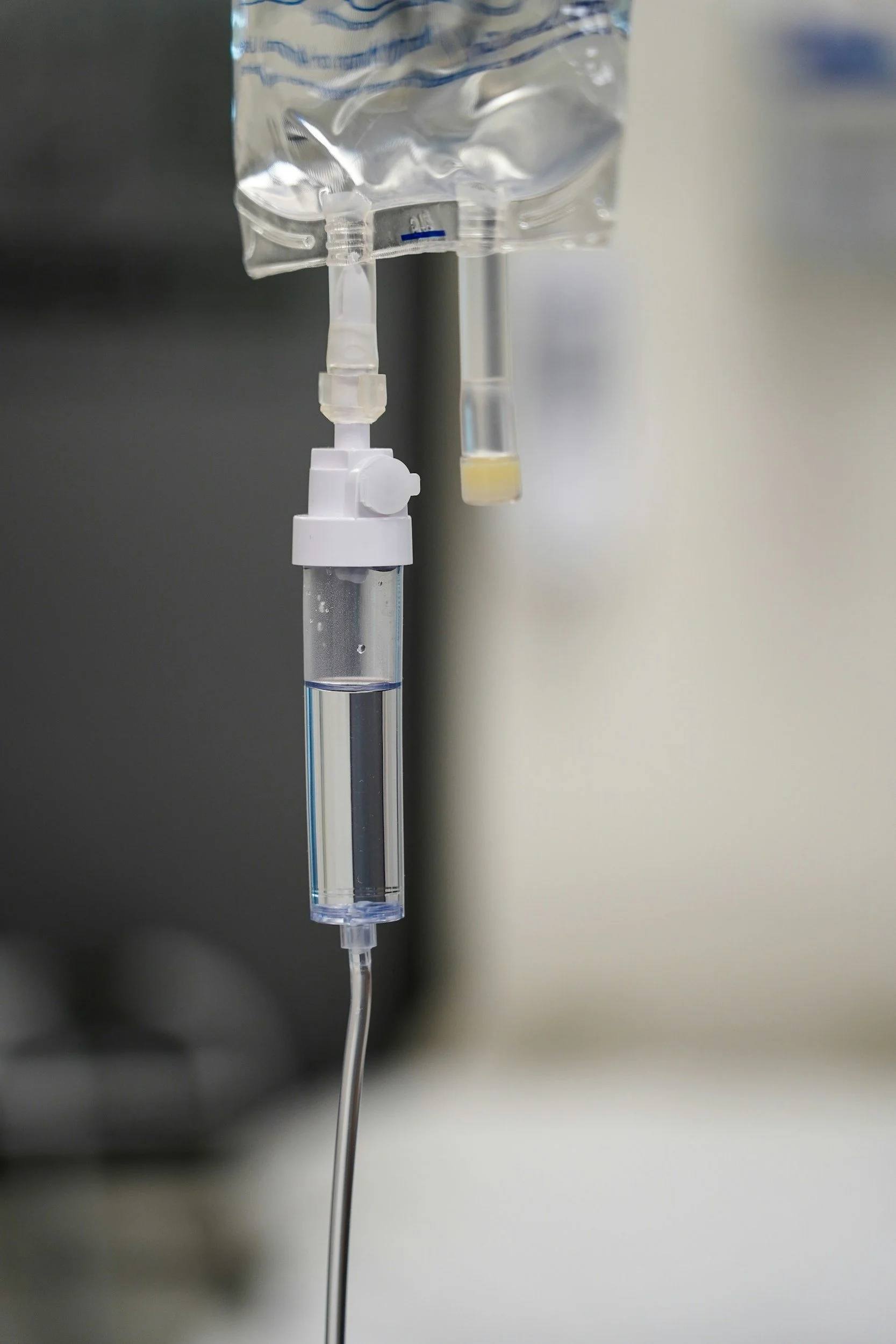
Magnesium sulphate should be offered to all mothers/birthing people between 22 and 29+6 weeks of pregnancy for neuroprotection. It should also be considered between 30 and 33+6 weeks in those who are in established labour and/or having a planned birth within 24 hours.
Intrapartum Antibiotics

Intrapartum antibiotics should be offered to all women/birthing people with a pregnancy of less than 37 weeks to help prevent early-onset Group B Streptococcus (GBS) infection, whether or not spontaneous rupture of membranes (SROM) has occurred. This helps to reduce the risk of severe or potentially fatal infection in newborns if GBS is transmitted during labour.
Cord Management
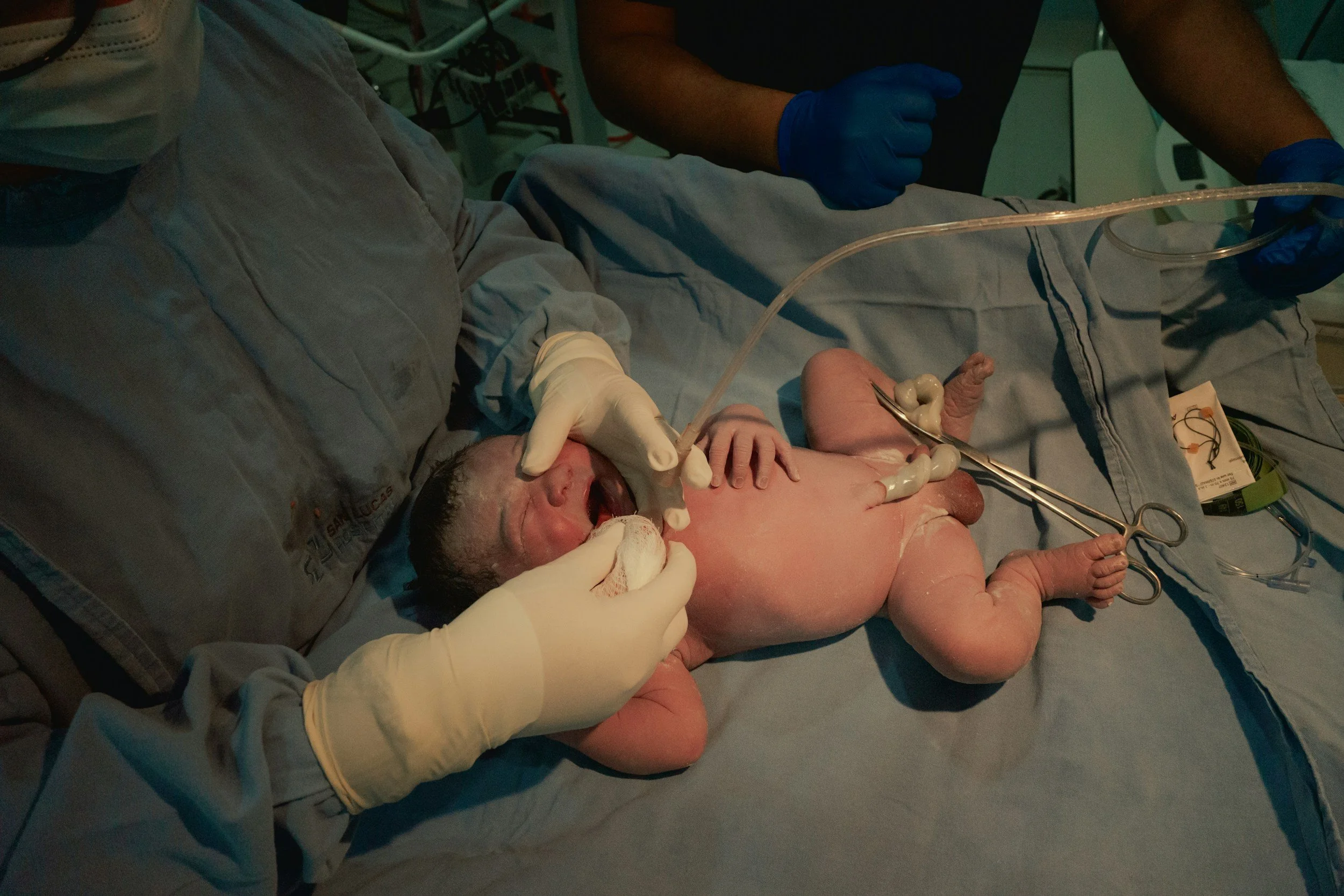
Delayed cord clamping should be carried out for babies born before 37 weeks, with the cord remaining unclamped for at least one minute after birth.
Delayed cord clamping has been associated with a reduction in mortality among preterm infants, as well as a number of other important benefits.
Prevents Severe Anaemia

The additional transfer of blood from mother to baby through the cord provides iron-rich blood, boosting haemoglobin levels and helping to prevent iron-deficiency anaemia (IDA) in early infancy.
Stabilises Blood Pressure
The transfer of blood from mother to baby helps to maintain steady blood pressure in the infant, reducing the need for medication to support blood pressure.
Maximises Blood Volume
Delaying cord clamping allows additional placental transfusion, increasing the infant’s circulating blood volume.
Eases Lung Transition

Delayed cord clamping helps bridge the transition while the baby takes their first breaths, helping to prevent a sudden drop in cardiac output.
Protects Vulnerable Organs
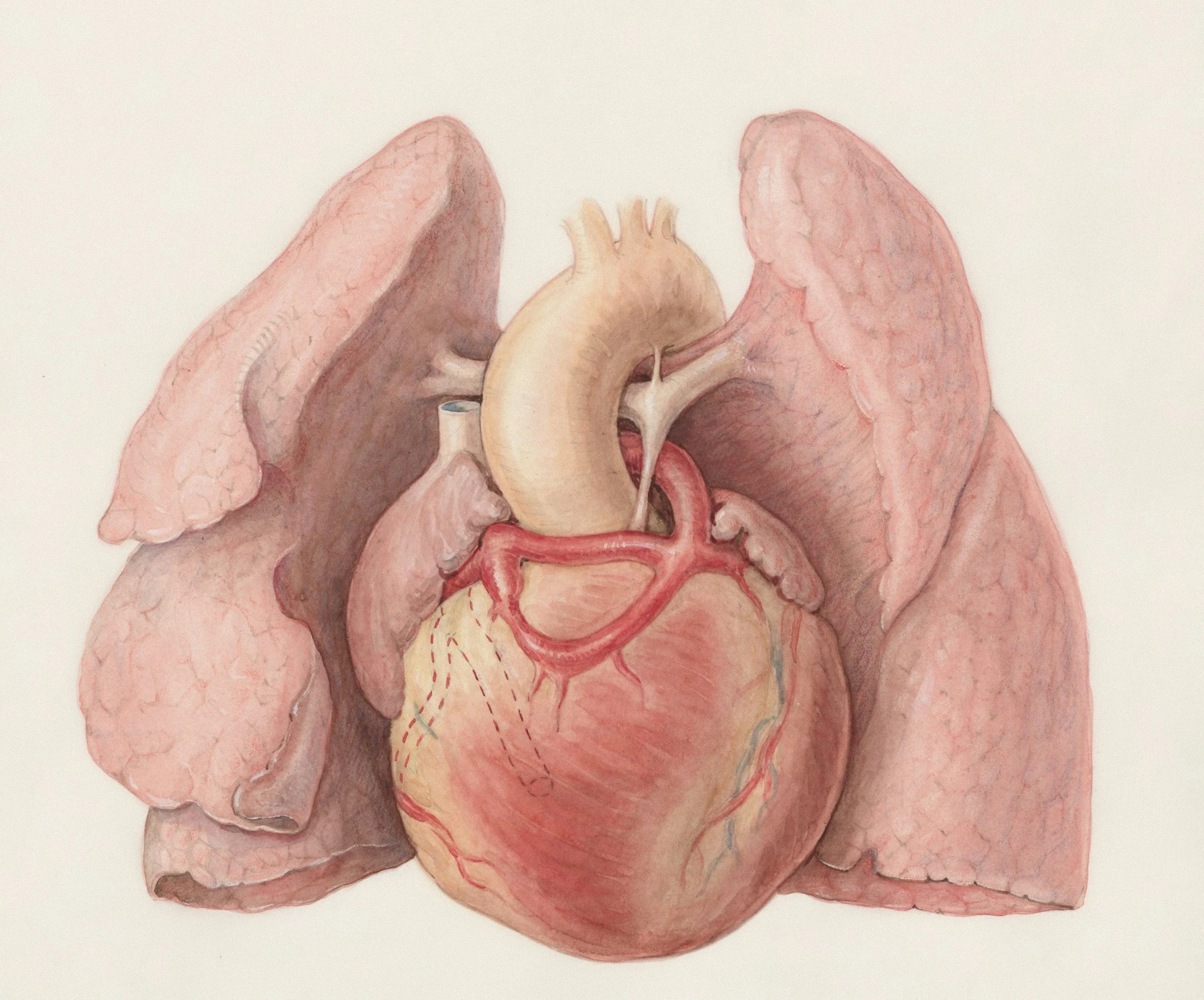
Delayed cord clamping may reduce the risk of bleeding in the brain (intraventricular haemorrhage) and severe bowel inflammation (necrotising enterocolitis/NEC).
Normothermia

A normal temperature for babies is between 36.5°C and 37.4°C.
Babies born before 37 weeks should have their temperature checked within the first hour after birth and should be kept warm at all times, unless they are being cared for in a warmed incubator.
Hypothermia (low body temperature) in preterm babies is associated with adverse effects, including:
Hypoglycaemia (low blood sugar)
Hypoxia (low oxygen levels in the blood)
Metabolic acidosis (a build-up of too much acid in the body, causing the blood pH to fall below 7.35)
Early Maternal Breast Milk

Babies born before 37 weeks should receive their own mother’s breast milk, ideally within the first six hours after birth, with the aim of providing it within 24 hours (except in rare cases where maternal breast milk is contraindicated).
Seek early support from the healthcare professionals involved in your care to help achieve this.

Note
Once you become aware of the likelihood of preterm birth, engage and cooperate promptly and consistently with the healthcare professionals managing your care to help optimise birth outcomes for your baby or babies.
Follow the advice and treatment pathways recommended by your healthcare professionals to avoid unnecessary delays.
Ask to be seen by a member of the Neonatal Team (for example, a Neonatal Registrar) at the earliest opportunity to discuss the care pathways for your baby after birth, if these have not already been discussed.
If birth is not imminent, ask whether you can have a tour of the Neonatal Intensive Care Unit (NICU). This is often encouraged and can usually be facilitated by the NICU team.